Severe weather events can disrupt operations, damage facilities, and put employee safety at risk within minutes. For industrial, manufacturing, and commercial environments, understanding tornado watch vs warning business impacts is not just a weather concern, it is an operational necessity.
Clear preparation and response plans help operations teams act decisively instead of reactively. This guide breaks down the difference between a tornado watch and a tornado warning, and outlines practical severe weather procedures workplace leaders should follow in each phase, with a focus on establishing a reliable tornado protocol for factories and industrial sites.
Understanding Tornado Watch vs Warning for Business Operations
Many workplace disruptions occur because teams do not fully understand the difference between these two alerts.
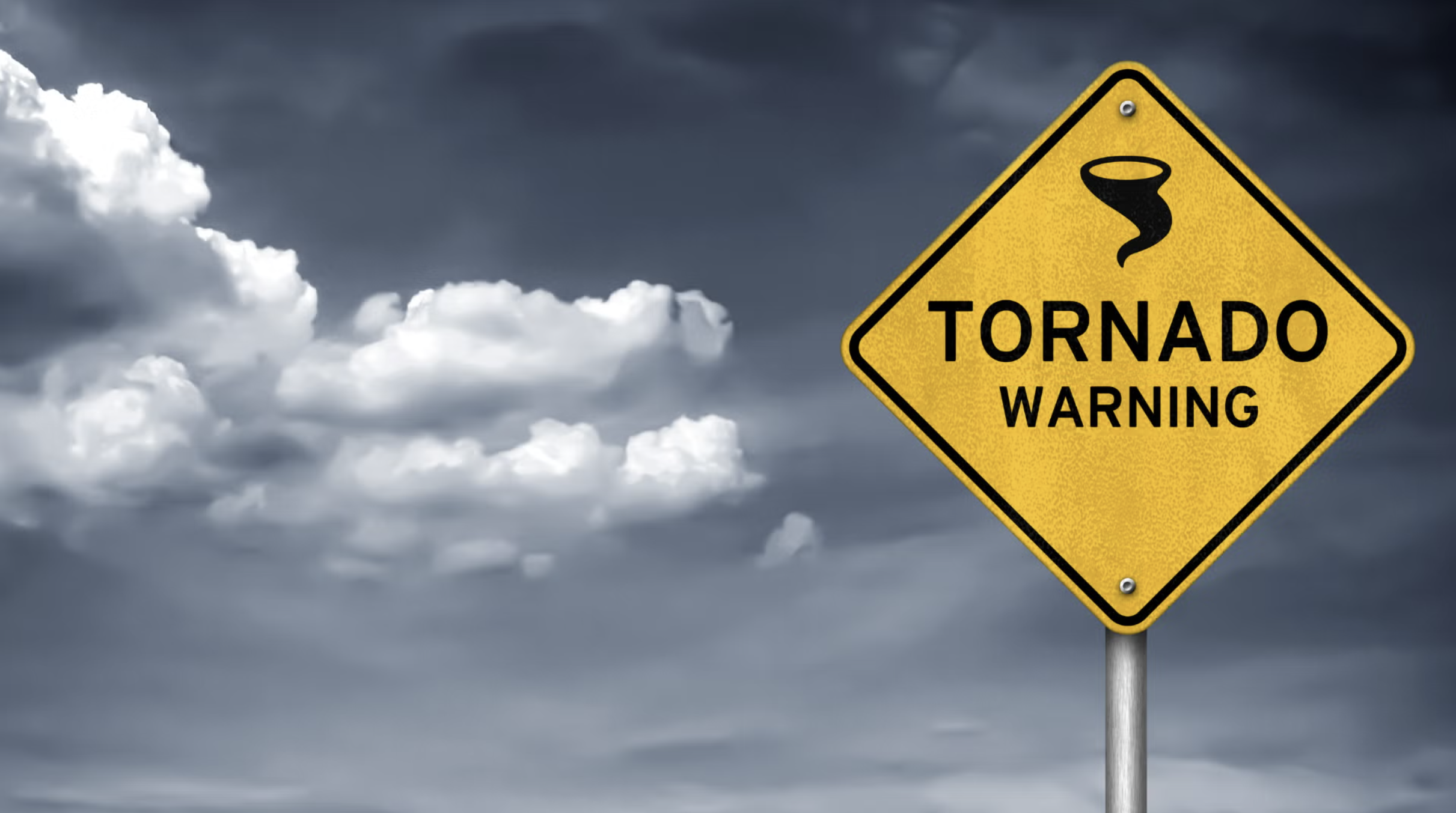
Tornado Watch
A tornado watch means weather conditions are favorable for tornadoes to develop in the area. Tornadoes are possible, but none have been confirmed yet.
Tornado Warning
A tornado warning means a tornado has been sighted or indicated by radar. Immediate action is required, as the threat is happening now or imminent.
From a business standpoint, the tornado watch vs warning distinction defines when to prepare versus when to protect lives immediately.
What Operations Teams Should Do During a Tornado Watch
A tornado watch is the preparation phase. This is when operations teams should shift into readiness mode without halting all activity unless conditions escalate.
Key actions during a tornado watch include:
- Monitor weather alerts continuously using multiple reliable sources
- Review and communicate severe weather procedures workplace wide
- Ensure all employees know shelter locations and evacuation routes
- Inspect emergency supplies such as first aid kits, flashlights, and radios
- Secure loose outdoor materials, equipment, and temporary structures
- Assign weather monitoring and communication responsibilities to specific team members
For factories and industrial facilities, this phase is ideal for staging production slowdowns if necessary and preparing for a rapid shutdown if a warning is issued.
A well defined tornado protocol for factories should treat a watch as a trigger for heightened awareness, not panic.
What Operations Teams Must Do During a Tornado Warning
A tornado warning is the response phase. At this point, protecting human life becomes the only priority.
When a tornado warning is issued, operations teams should:
- Immediately stop non essential operations
- Activate emergency communication systems
- Direct all employees to designated tornado shelter areas
- Keep personnel away from windows, exterior walls, and large roof spans
- Shut down critical equipment only if it can be done safely and quickly
- Account for all employees once sheltering is complete
Factories and industrial facilities should never attempt to continue production during a warning. A clear tornado protocol for factories should empower supervisors to halt operations without delay or approval bottlenecks.
Sheltering Best Practices for Industrial and Factory Environments
Not all buildings offer the same level of protection. Operations teams should plan shelter locations in advance based on facility layout and structural integrity.
Best shelter options typically include:
- Interior rooms on the lowest floor
- Reinforced concrete or steel enclosed spaces
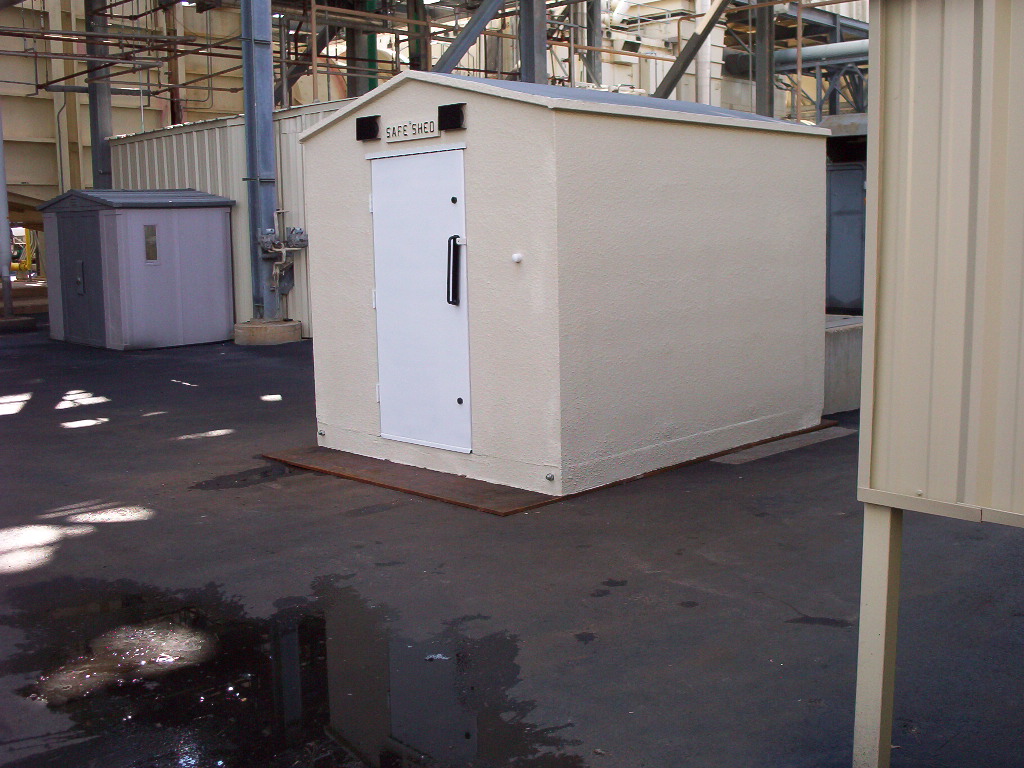
- Designated storm shelters or safe rooms
- Areas away from overhead cranes, skylights, and heavy equipment
Avoid large open spaces such as warehouses, manufacturing floors, and areas with wide roof spans whenever possible.
Post Warning Actions and Operational Recovery
Once the warning has expired and authorities indicate it is safe, operations teams should transition into assessment and recovery mode.
Post event actions include:
- Accounting for all personnel
- Checking for structural damage before resuming work
- Identifying hazards such as gas leaks, downed power lines, or unstable equipment
- Communicating next steps clearly to employees
- Documenting the event and reviewing response effectiveness
Reviewing how well severe weather procedures workplace plans performed helps improve future response and reduces downtime after future events.
Why Every Business Needs a Defined Tornado Protocol
Severe weather incidents are unpredictable, but preparedness is not. Businesses with clear response plans experience fewer injuries, faster recovery times, and better employee confidence during emergencies.
A documented tornado protocol for factories and industrial sites should include:
- Clear definitions of watch versus warning response actions
- Roles and responsibilities for supervisors and safety officers
- Shelter locations and evacuation maps
- Communication procedures before, during, and after an event
- Regular training and drills
Understanding tornado watch vs warning business implications ensures that teams act appropriately at every stage instead of losing valuable time.
Bringing It All Together
Tornadoes demand fast, decisive action. Knowing the difference between a watch and a warning allows operations teams to prepare early and respond correctly when seconds matter most.
By establishing clear severe weather procedures workplace wide and reinforcing a practical tornado protocol for factories, businesses can protect employees, reduce operational risk, and recover more efficiently after severe weather events. Preparation today is what keeps operations resilient when the storm arrives.