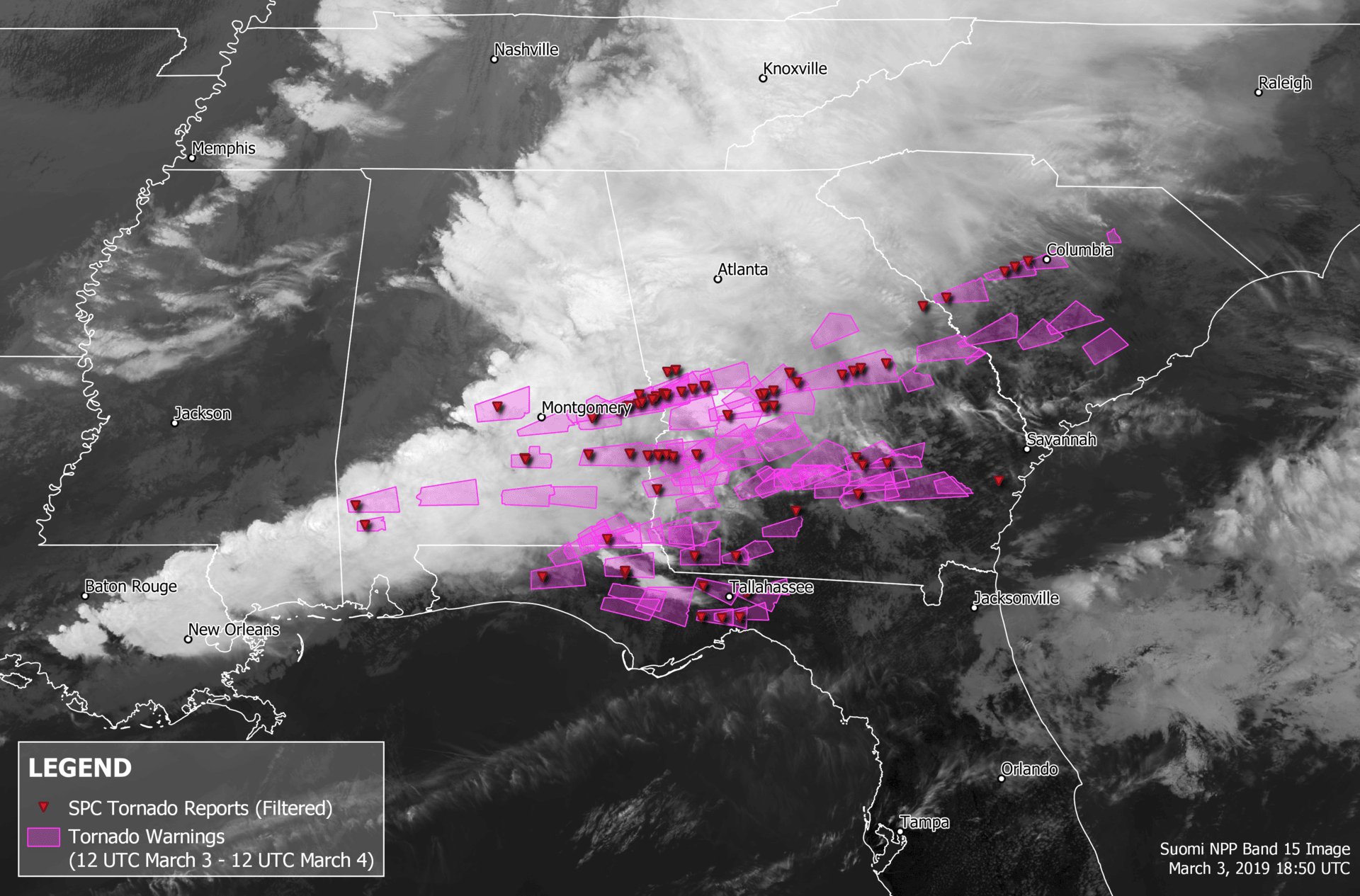
Severe weather poses a significant risk to manufacturing and industrial facilities, which often house large numbers of employees, expensive machinery, and critical production lines. In tornado-prone regions, planning for employee safety is not just a regulatory responsibility—it’s essential for business continuity. Above-ground tornado shelters offer an effective, accessible, and increasingly popular solution for industrial sites. This article explores the considerations, benefits, and best practices for implementing tornado shelters in manufacturing and industrial environments.
Why Tornado Safety Is Critical in Industrial Facilities
Manufacturing and industrial facilities face unique risks during tornadoes:
- High occupancy levels: Many industrial facilities employ dozens, if not hundreds, of workers in shifts. Evacuating large groups quickly is challenging.
- Hazardous materials and equipment: Industrial sites often store chemicals, heavy machinery, or large inventories that could become dangerous projectiles in high winds.
- Business continuity: Damage to equipment, inventory, or facilities can disrupt production for weeks or months, leading to financial losses.
Because of these factors, having a tornado shelter on-site can save lives, reduce injury, and limit operational downtime.
Above-Ground vs. Below-Ground Shelters
Traditionally, tornado shelters have been installed underground. While underground shelters provide excellent protection, above-ground options are gaining popularity for industrial applications because they offer:
- Accessibility: Employees of all mobility levels can reach shelters quickly without stairs or ramps.
- Ease of installation: Above-ground shelters can often be retrofitted into existing facilities without major excavation.
- Flexibility: Modular designs allow shelters to be installed in high-traffic areas or near workstations where quick access is critical.
- Visibility and compliance: Clearly marked and accessible shelters encourage proper use during emergencies, supporting OSHA and local safety regulations.
Key Considerations for Industrial Tornado Shelters
When planning a tornado shelter for a manufacturing or industrial facility, several factors must be considered:
1. Capacity and Occupancy
A shelter must accommodate all employees expected to be on-site during a shift. Planners should consider the maximum occupancy for each shift and potential visitors or contractors in the facility. Most design standards recommend 10 square feet per person for seated shelter capacity.
2. Structural Integrity
Above-ground tornado shelters are designed to withstand extreme winds, debris, and impact from flying objects. Look for shelters built to FEMA P-361 or ICC-500 standards, which provide performance guidelines for tornado-resilient structures.
3. Accessibility
Industrial facilities often have multiple work areas, so shelters should be strategically located for fast access. Wide doors, ramps, and clear pathways are critical for ensuring all employees can reach the shelter safely.
4. Ventilation and Emergency Supplies
Even short-term occupancy requires shelters to have proper airflow, emergency lighting, first-aid kits, and communication devices. Some industrial shelters also integrate water, food, and seating for longer-duration events.
5. Integration With Facility Layout
A shelter should be sited in an area that avoids machinery, flammable materials, and other hazards. Industrial engineers and safety managers often collaborate to identify locations that maximize safety without interrupting daily operations.
Benefits of Installing Tornado Shelters in Industrial Sites
Implementing above-ground tornado shelters offers multiple advantages:
- Life safety: The primary benefit is protecting employees from injuries or fatalities during severe weather.
- Operational continuity: Quick recovery after a tornado is more feasible if employees remain safe and facility damage is minimized.
- Regulatory compliance: Many local and state safety regulations encourage or mandate emergency preparedness, including tornado sheltering.
- Employee confidence: Knowing the facility has a robust emergency plan improves morale and demonstrates that management prioritizes safety.
Best Practices for Tornado Shelter Implementation
- Conduct a risk assessment: Evaluate tornado frequency, facility vulnerability, and occupancy patterns.
- Plan multiple access points: In large industrial sites, consider more than one shelter to reduce travel distance for employees.
- Regular drills and training: Employees should know the quickest route to the shelter, what to bring, and shelter protocols.
- Maintain and inspect shelters: Check structural integrity, emergency supplies, and ventilation systems regularly.
- Coordinate with emergency services: Notify local emergency management about shelter location and capacity to ensure coordinated responses.
Final Thought on Protecting Employees
Tornadoes present serious risks to manufacturing and industrial facilities, where high occupancy, hazardous materials, and critical operations converge. Above-ground tornado shelters provide an effective, accessible, and code-compliant solution to protect employees and minimize business disruptions. By carefully considering capacity, location, accessibility, and structural standards, industrial sites can implement shelters that not only save lives but also reinforce operational resilience.
Incorporating tornado shelters into your facility’s safety plan is an investment in both your workforce and your business continuity, ensuring your operations remain prepared for extreme weather events.